
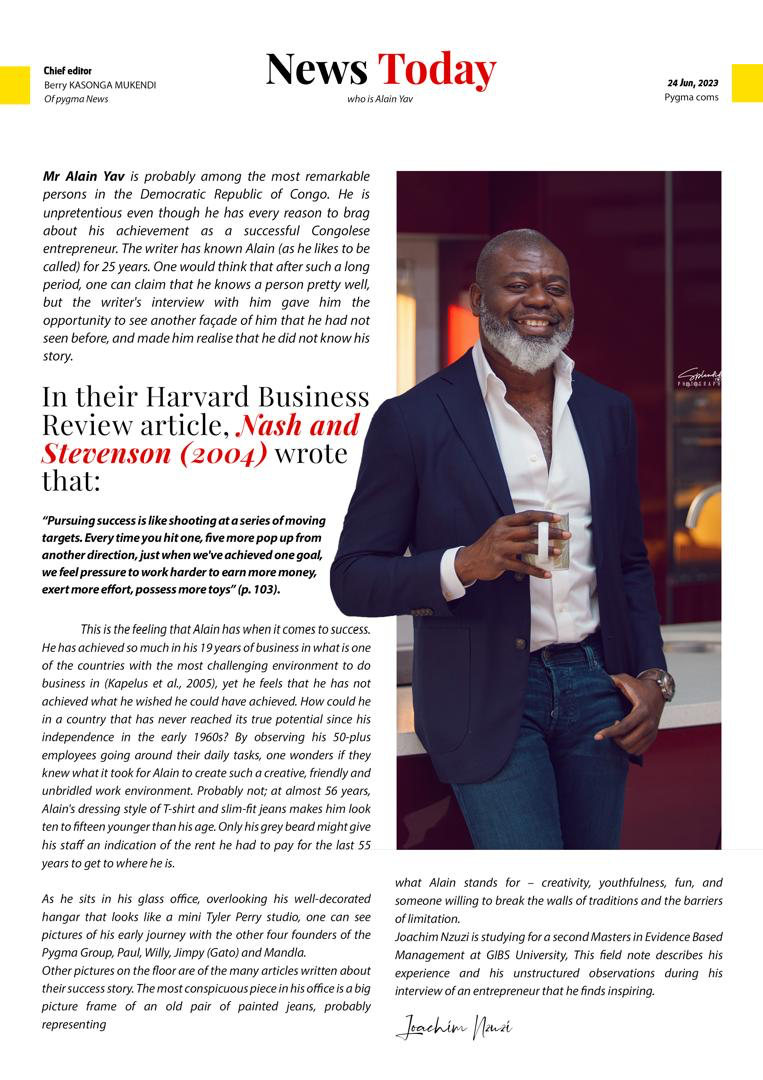
ALAIN YAV, CEO OF PYGMA COMMUNICATION
T
he first thing that strikes you when you talk to Alain Yav is the warmth and kindness he exudes. The man is accessible, jovial, and sociable. It’s hard to believe that he leads one of the largest communication groups in Francophone Africa. He belongs to the category of “repatriates” that few people talk about: those who didn’t leave the continent for good. Indeed, it was in South Africa that Alain Yav sharpened his skills at a time when the country was just emerging from apartheid and beginning its process of reconstruction. There, he worked for renowned multinational companies, then returned to the DRC to found Pygma Group, a company he started with 5 friends in 2005. He’s proof (if we still needed it) that you don’t necessarily have to leave the continent to create success stories.
The Man and the Company
“I am the eldest of a family of 9 children, each with very strong personalities. I work with one of my brothers, Willy, who co-founded Pygma Group with me. By the way, the name PYGMA represents the initials of the people who created the company. We were friends, all having lived abroad, and decided to return to work for Congo. I am sociable, open, passionate. Art, creation, leadership, youth, and African pride are dear to me.”
Television is for me a good medium to pass on messages. I use it as much as I can to make Pygma Communication known behind the Miss RD Congo contest.
“I belong to that generation that was fascinated by going abroad: it was a must at all costs. I dreamed of the USA, especially California. My friends left for Belgium. But after completing primary and secondary school in the DRC, I found myself in South Africa to study business engineering, under my father’s influence. I was disappointed and fell into a state of melancholy. I had no idea that I would later be pleasantly surprised by a dynamic and complex country.”
Alain Yav
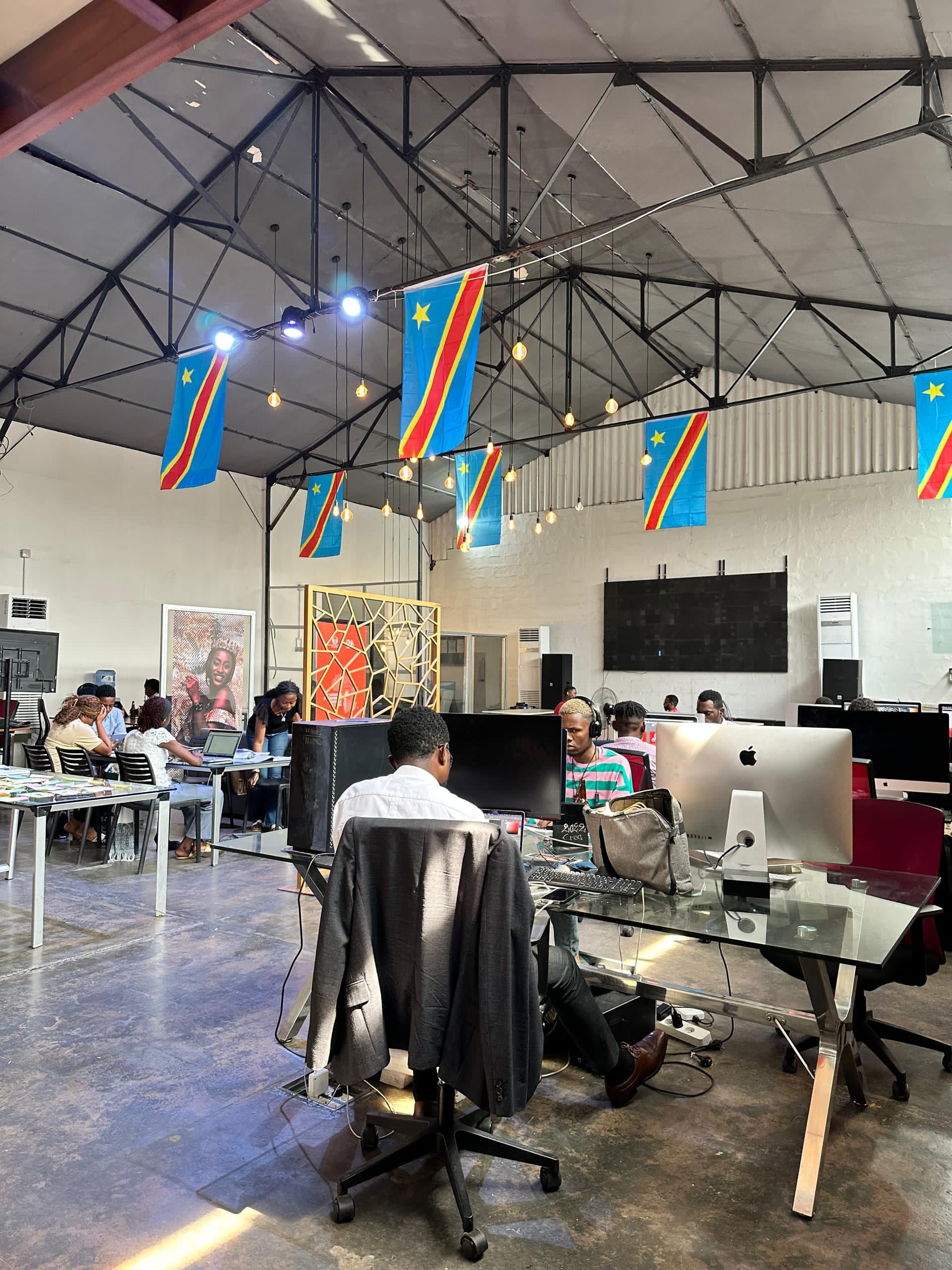
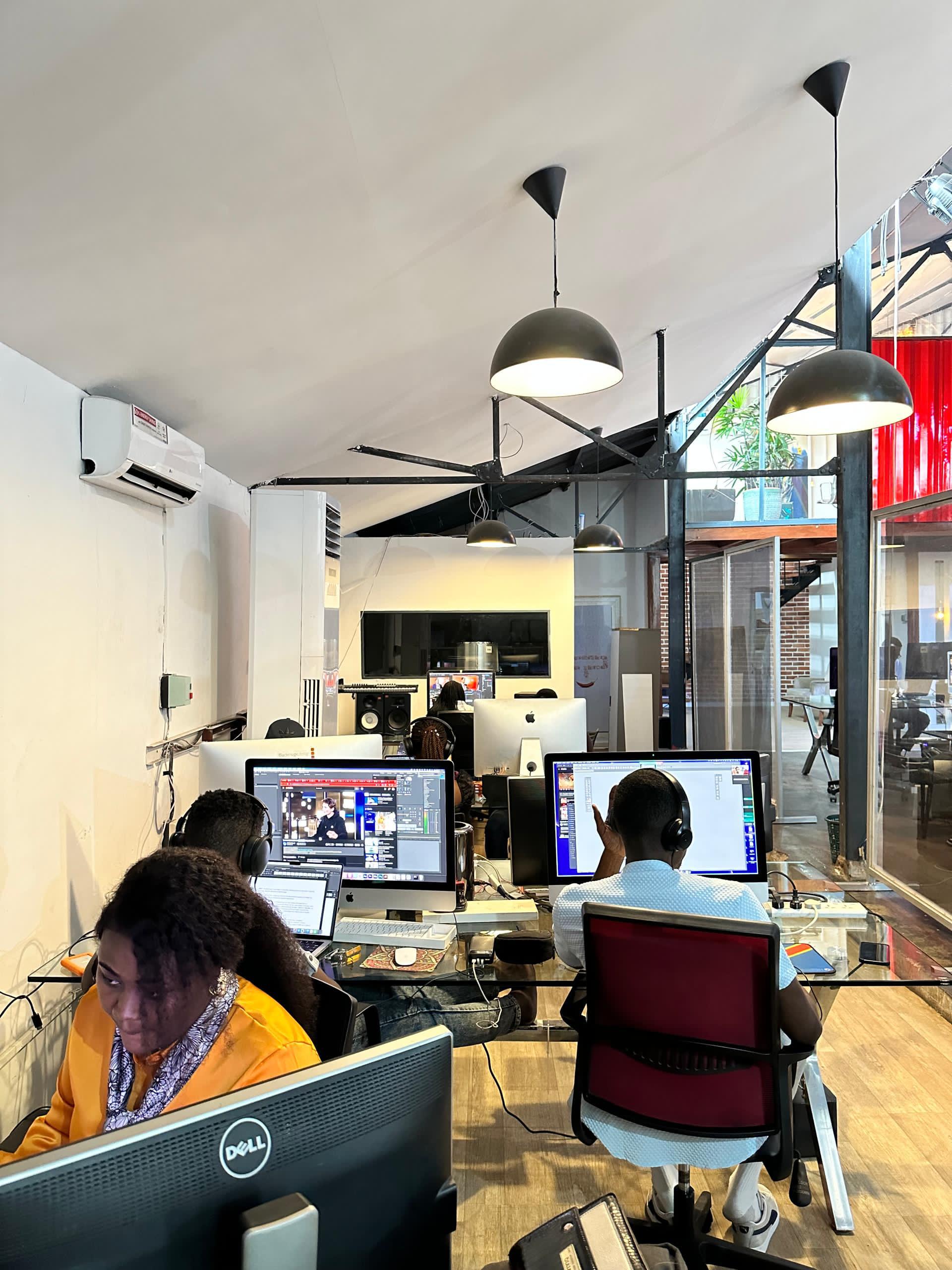
Get Specific
At university, I discovered a true passion for marketing. One day, I had the opportunity to meet a representative from Procter & Gamble on campus. I was fascinated by his approach to marketing, so much so that I went up to him at the end of his talk and told him: “Sir, in 10 years, I’ll be like you.” A few weeks later, I was recruited into the first marketing team within Grey Worldwide (where I worked for the Procter & Gamble account) and stayed with the company for 2 more years.
In 2005, we wanted to return to Congo to develop opportunities. I should mention that Pygma Communication is part of Pygma Group. We have activities in other sectors, notably in consulting and construction.
Pygma Communication is part of the leading agencies in Francophone Africa. There isn’t a real recipe for success; it’s about being consistent and methodical. The communication market is relatively small in Africa because it’s underdeveloped. Clients don’t always have a culture of communication, although this is becoming less and less the case. From the start, we diversified our activities: event activations, public relations, production… We created an ecosystem to amplify our turnover and profit by mastering the value chain from top to bottom. Staying solely in advertising wasn’t interesting.
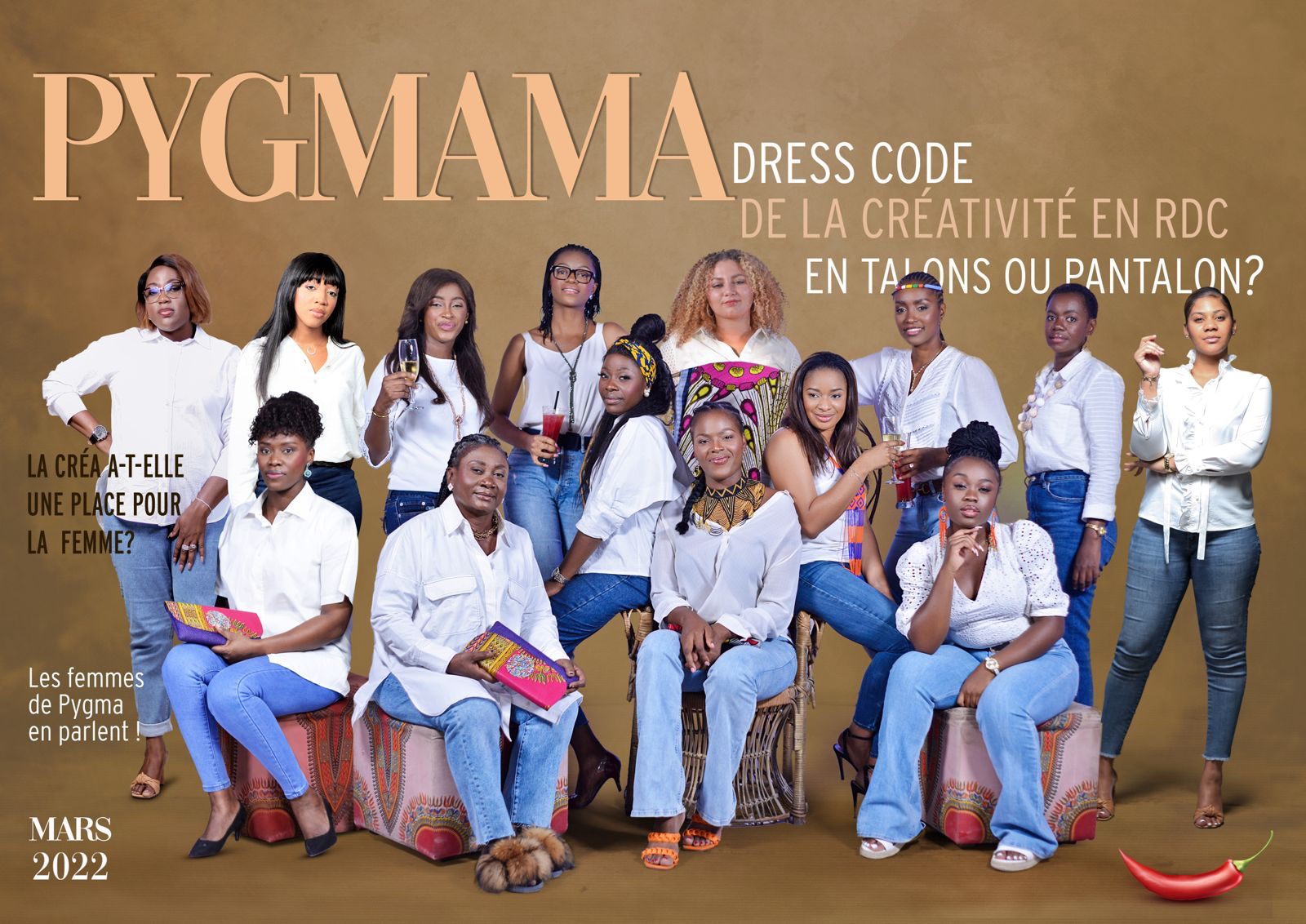
After that, we heavily invested in human resources because we believe in talent. We choose the best and put them in decent conditions to express themselves better. Overall, we have a long-term approach, which is rare in the DRC.
Returning to Congo was not a gamble. I was sure I wouldn’t leave the continent. While there’s always the desire to compare with those living abroad, the opportunity to succeed at home is always present. You just have to seize it. In DRC, some of our clients want to establish themselves. Thus, in 2005, I returned to DRC, but I still have ties to Johannesburg. I’m not saying I wouldn’t have stayed in South Africa if I hadn’t been approached by a client, but I was ready to leave.
There are two types of Congolese who return to the DRC. Some return to build, while others come to return with something. That’s the difference. I feel the Congolese diaspora could contribute more significantly to the development of the country. But one cannot deny that leaving is sometimes seen as failure, while staying is a fight against the odds.
Living Your African Dream
I was influenced by Western culture, television, and the media. At the time, we dreamed of escape and change. Things haven’t changed much today. Our young people still want to leave more than stay. But now, ambition is to return to the homeland and experience what they’ve learned.