Alain Yav, King of Advertising in DRC
He dreamed it. He wanted it. He created it. A success. With a turnover of around 12 million dollars, a handsome portfolio of clients, some 80 permanent employees, and about sixty consultants—mostly young and trendy—Pygma Communication is by far the leader in the advertising market in the DRC. Its CEO and founder? Alain Yav, a Congolese from the DRC, nearing his fifties.
Nothing initially destined this Lushois native, who grew up and completed his “humanities” in Kinshasa, for a career in advertising and communication.
“After my Exetat [state exam, or high school diploma, NDLR], which I prepared at Elikya College in Kinshasa, I wanted to be a commercial engineer. I was good at math and physics,” he confides. Alain dreamed of pursuing higher studies in California (USA). His father, the current vice-governor of the Katanga province, decided otherwise. He preferred to send his eldest son to the Rainbow Nation, where he had friends.
“I went there reluctantly. I was one of the first Congolese to go study there. It was just after apartheid, which was still a reality, especially in the job market and on university campuses. But I also discovered a magnificent and modern country,” notes Yav, who eventually felt at home in this country, which he considers his second homeland and where he still regularly visits.
After a short stint in engineering, Alain Yav turned towards business studies, majoring in accounting and marketing at the University of the Witwatersrand. The path to an accounting career seemed clear, but in his second year, everything changed. “I fell in love with marketing. One day, a Procter & Gamble collaborator came to give us a marketing course. I listened attentively, even though I was a bit of a dreamer. I finished his sentences in my head. After the class, I went to see him and told him that I intuitively did marketing. He invited me to an interview at his office the next day,” he recalls with emotion.
Classes and Launches
It was first at Grey Worldwide, a multinational specializing in advertising, that Yav began his journey in the field. His main client? Procter & Gamble, which he joined two and a half years later and where he stayed for five years. “There, it’s the big school, where I learned all the basics of marketing and advertising.” The last step: Cadbury, the global leader in chocolates and confectioneries. He managed the confectionery unit, working on the largest brands. Alain left Cadbury in 2004 and, shortly after, Africa, for Kinshasa.
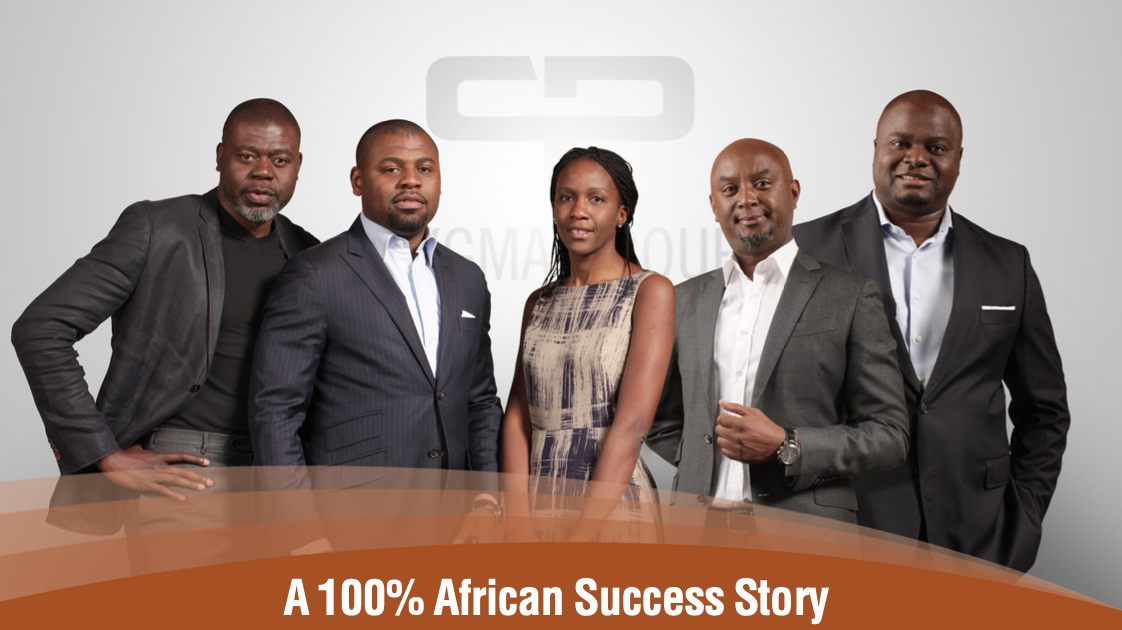
Returning to the DRC was not a spur-of-the-moment decision. Two years earlier, in 2002, Alain Yav and four friends based in South Africa—two other Congolese, a Rwandan, and a South African—decided to found Pygma Group, made up of several entities, each operating in a specific sector. Today, the holding includes Pygma Consulting (management consulting), Oxypro Construction (real estate), Pygma Investments (finance), and Pygma Communication. Besides the DRC and the Rainbow Nation, the group is also established in the United States.
In 2004, while working at Cadbury, Alain, who doesn’t like staying in one acquired position for long, was tempted by “expatriation.” The opportunity came from the Ogilvy & Mather group, which had its sights on the DRC, where some of its clients wanted to settle. No sooner said than done. “We decided to go to the Congo to support the group and launched the Pygma Ogilvy agency in Kinshasa in 2004, which Pygma owned 100%.” That’s how Pygma Communication was born, which amicably parted ways with Ogilvy in 2011, maintaining good relations with the company, where it still sends staff for training.
Negativity is already out there. What we need to do is show and celebrate the positive. Pygma’s signature is unlocking the potential of the DRC, both natural and human.
Alain Yav CEO pygma Communication
Expanded Activities
Leaving South Africa, Alain brought with him invaluable insights that shaped his vision and would serve him in future ventures—”rigor, strategy, organization, international standards, quality, limits, what is tolerated and what is not.”
Over the years, Pygma Communication has expanded by creating small autonomous units, each specializing in one segment of the communication and advertising chain: public relations, event creation and management, image creation, audiovisual production, media planning advice, and space sales and purchases. “Pygma Communication has the ambition to make Congolese proud of their work and, above all, the way they do it,” is the message Alain Yav wishes to convey to his compatriots.
It all began with consulting in commercial advertising. “We offered our clients creative concepts to sell their brands. Then we launched Sims Production, an audiovisual production company, to create our own commercials, which we wrote ourselves,” explains Alain.
Next came Pygma PR (public relations), followed by Pygma Corporate, to meet the specific needs of large corporations and institutions, a growing niche. As “one-on-one” communication developed, they shifted their focus to events with Seven Events, not to mention Impact Media and Exo. More recently, with the rise of digital in the communication world, the group launched Pygma Digital, a sector in which the company is heavily investing.
The geographical reach of their markets is also expanding. After the DRC, where much remains to be done beyond Kinshasa, Lubumbashi, Matadi, and Goma, Pygma has set up in Congo-Brazzaville. Their ambition? To give the company a pan-African dimension. A real challenge.
Diversity of Services and Products
Pygma’s services and products cater to a variety of clients, with a preference for those who “want the best.” Among them: mobile phone companies like Vodacom, banks, mining companies, car dealers, agro-industrial firms, the South African tourism office, and institutional clients such as the Independent National Electoral Commission (for whom Pygma designed the logo), the Copirep, and the General Tax Directorate (for whom they developed campaigns). And many others.
Over 80% of the agency’s products are audiovisual and billboards, “because the Congolese are more inclined towards audiovisual media than reading.” However, Pygma aims to strengthen its presence in written media, such as brochures and corporate activity reports. Nonetheless, their strength lies in audiovisual media, with standout productions including an advertisement for Primus beer, a Bralima brand, sponsored reports, and especially two reality TV shows—Miss Vodacom and Vodacom Best of the Best—where Pygma is undoubtedly the leader in the DRC.
Of course, Miss Vodacom is a beauty pageant. But “beyond the physical aspect, we seek to promote and convey positive images of women, both traditional and modern,” insists Yav. Thus, behind these commercial campaigns are highlighted values of work, rigor, and creativity. Values dear to Alain Yav, instilled by his parents. “My father was strict. I grew up with the values of work, friendship, and solidarity. We lived in an extended family. We played football together, Scrabble, we helped each other,” he recalls.
Being Positive and Thinking Big
It is with the same desire to promote talent, especially young people, that the Vodacom Best of the Best show was created, a music and dance contest. “The Congo is a country of music and talent. We must discover new talent and bring Congolese music back to the heart of the African continent,” says the CEO.
Showcasing the Positive
Putting forward courage, initiative, and success is another of his concerns. “Negativity is already out there. What we need to do is show and celebrate the positive. Pygma’s signature is unlocking the potential of the DRC, both natural and human.” This positive image of the DRC and its people, he highlighted in “Le Meilleur de la RDC,” a beautiful book funded by the Pygma Foundation and its clients, published last January. A way for Congolese people to see themselves in a positive light and for foreigners to discover this great country.
Yav also takes the opportunity to send another message to his compatriots, particularly the youth: learn to think big and dream. A lesson learned in South Africa. “It’s a country where you learn to think big, where you can allow yourself to dream and believe that everything is possible if you work hard. I’ve seen small people grow big. South Africa is inventing its identity, open to new ideas, constantly transforming.”
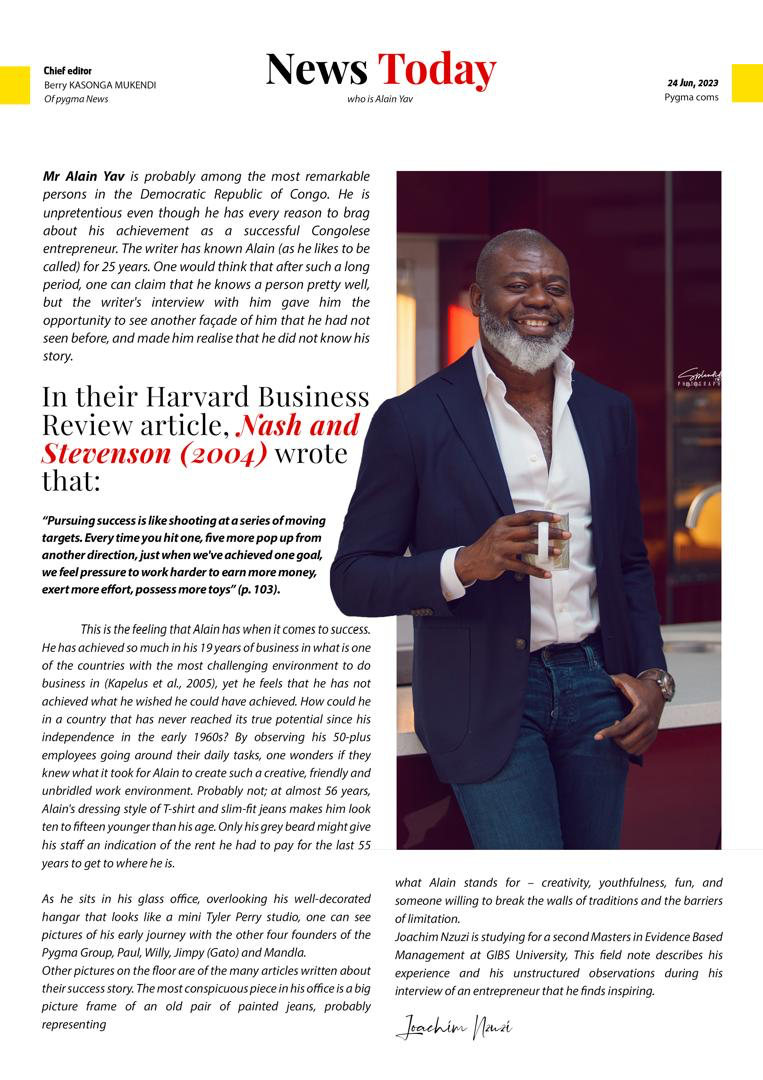
Alain Yav CEO OF PYGMA COMMUNICATION
ALAIN YAV, CEO OF PYGMA COMMUNICATION
T
he first thing that strikes you when you talk to Alain Yav is the warmth and kindness he exudes. The man is accessible, jovial, and sociable. It’s hard to believe that he leads one of the largest communication groups in Francophone Africa. He belongs to the category of “repatriates” that few people talk about: those who didn’t leave the continent for good. Indeed, it was in South Africa that Alain Yav sharpened his skills at a time when the country was just emerging from apartheid and beginning its process of reconstruction. There, he worked for renowned multinational companies, then returned to the DRC to found Pygma Group, a company he started with 5 friends in 2005. He’s proof (if we still needed it) that you don’t necessarily have to leave the continent to create success stories.
The Man and the Company
“I am the eldest of a family of 9 children, each with very strong personalities. I work with one of my brothers, Willy, who co-founded Pygma Group with me. By the way, the name PYGMA represents the initials of the people who created the company. We were friends, all having lived abroad, and decided to return to work for Congo. I am sociable, open, passionate. Art, creation, leadership, youth, and African pride are dear to me.”
Television is for me a good medium to pass on messages. I use it as much as I can to make Pygma Communication known behind the Miss RD Congo contest.
“I belong to that generation that was fascinated by going abroad: it was a must at all costs. I dreamed of the USA, especially California. My friends left for Belgium. But after completing primary and secondary school in the DRC, I found myself in South Africa to study business engineering, under my father’s influence. I was disappointed and fell into a state of melancholy. I had no idea that I would later be pleasantly surprised by a dynamic and complex country.”
Alain Yav
Get Specific
At university, I discovered a true passion for marketing. One day, I had the opportunity to meet a representative from Procter & Gamble on campus. I was fascinated by his approach to marketing, so much so that I went up to him at the end of his talk and told him: “Sir, in 10 years, I’ll be like you.” A few weeks later, I was recruited into the first marketing team within Grey Worldwide (where I worked for the Procter & Gamble account) and stayed with the company for 2 more years.
In 2005, we wanted to return to Congo to develop opportunities. I should mention that Pygma Communication is part of Pygma Group. We have activities in other sectors, notably in consulting and construction.
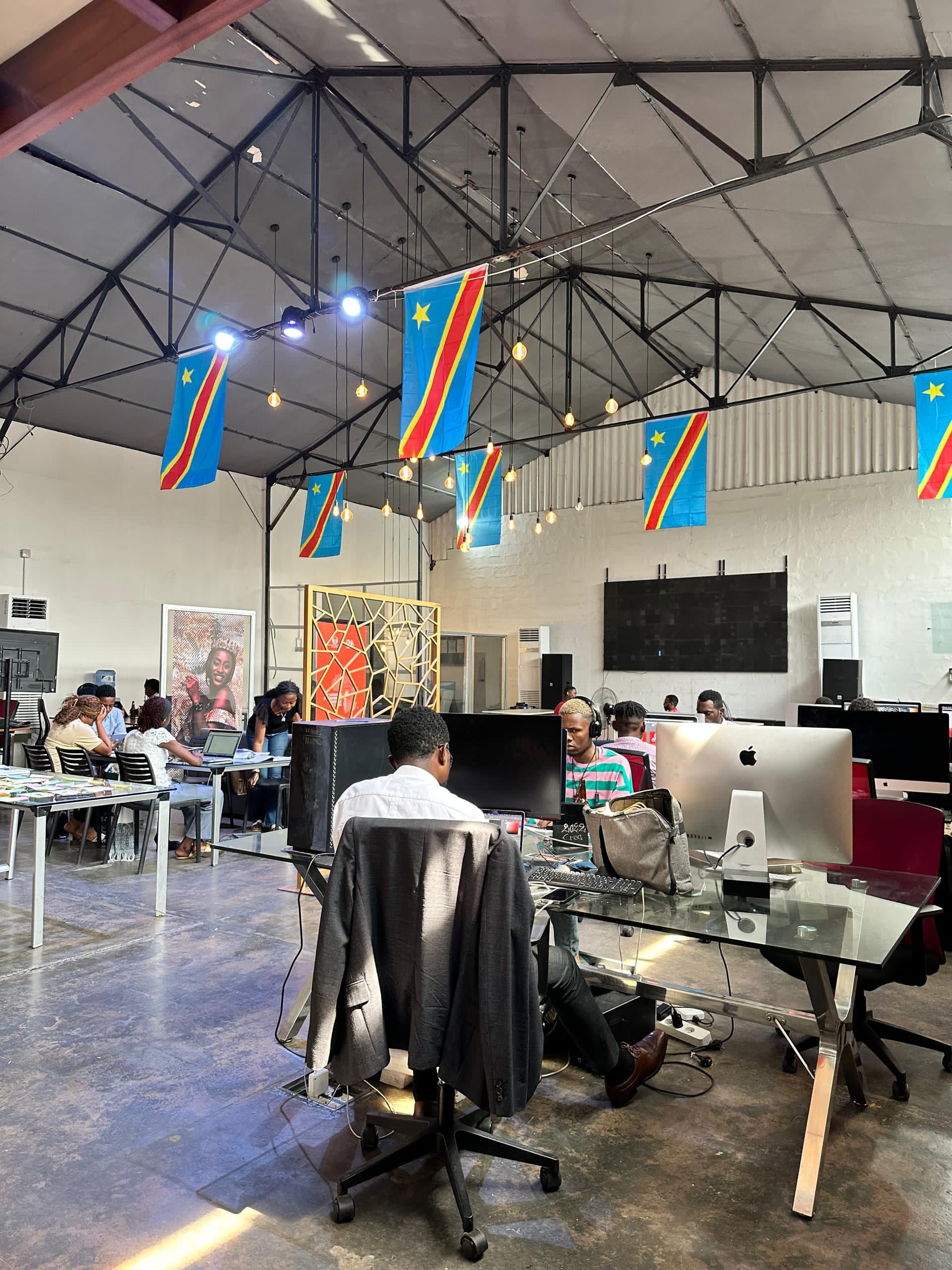
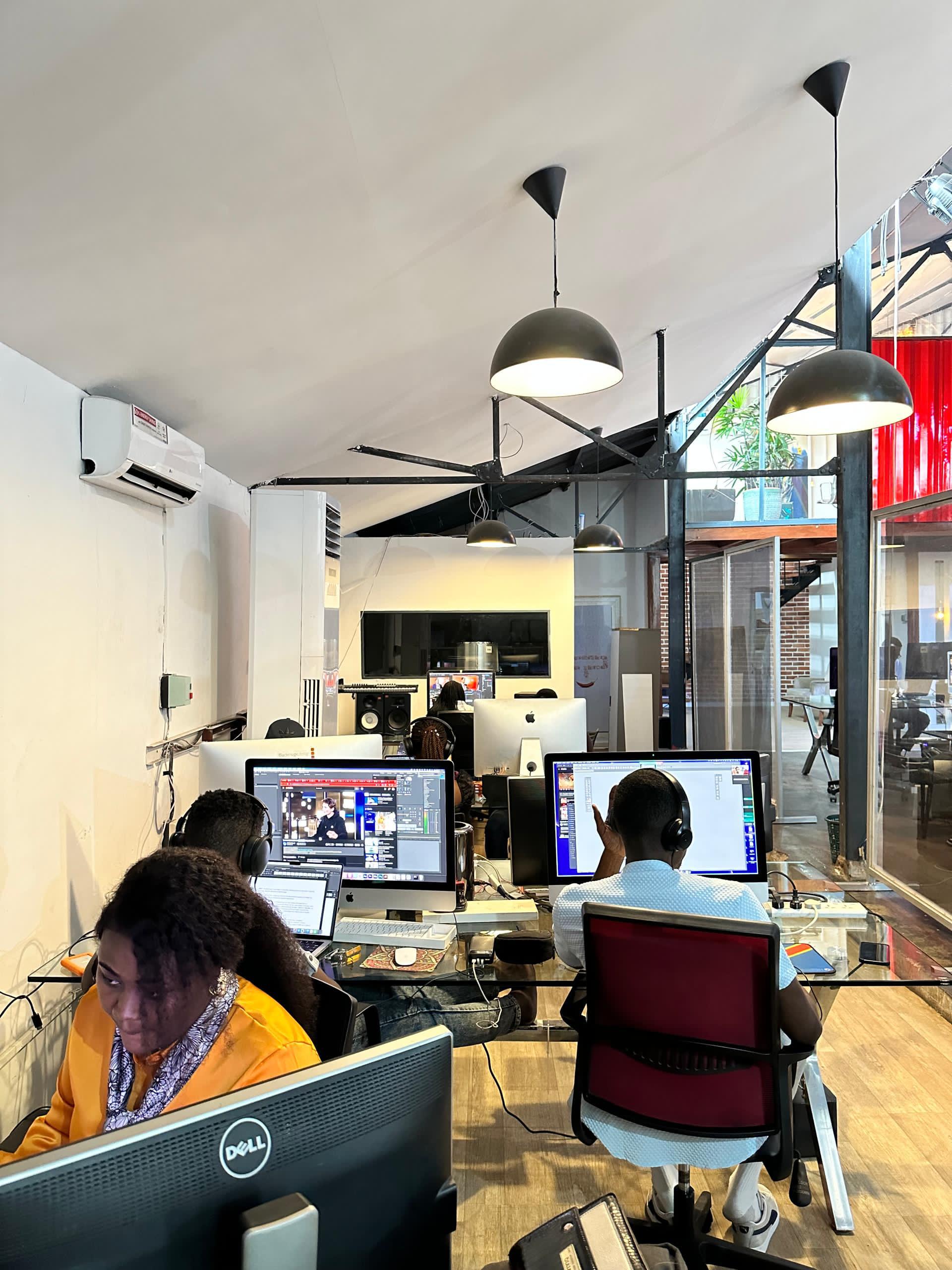
Pygma Communication is part of the leading agencies in Francophone Africa. There isn’t a real recipe for success; it’s about being consistent and methodical. The communication market is relatively small in Africa because it’s underdeveloped. Clients don’t always have a culture of communication, although this is becoming less and less the case. From the start, we diversified our activities: event activations, public relations, production… We created an ecosystem to amplify our turnover and profit by mastering the value chain from top to bottom. Staying solely in advertising wasn’t interesting.
After that, we heavily invested in human resources because we believe in talent. We choose the best and put them in decent conditions to express themselves better. Overall, we have a long-term approach, which is rare in the DRC.
Returning to Congo was not a gamble. I was sure I wouldn’t leave the continent. While there’s always the desire to compare with those living abroad, the opportunity to succeed at home is always present. You just have to seize it. In DRC, some of our clients want to establish themselves. Thus, in 2005, I returned to DRC, but I still have ties to Johannesburg. I’m not saying I wouldn’t have stayed in South Africa if I hadn’t been approached by a client, but I was ready to leave.
There are two types of Congolese who return to the DRC. Some return to build, while others come to return with something. That’s the difference. I feel the Congolese diaspora could contribute more significantly to the development of the country. But one cannot deny that leaving is sometimes seen as failure, while staying is a fight against the odds.
Living Your African Dream
I was influenced by Western culture, television, and the media. At the time, we dreamed of escape and change. Things haven’t changed much today. Our young people still want to leave more than stay. But now, ambition is to return to the homeland and experience what they’ve learned.